Overpriced homes sit on the market longer and cost you far more than you think.
It might seem harmless to list your home a little above market value. After all, you can always lower it later.
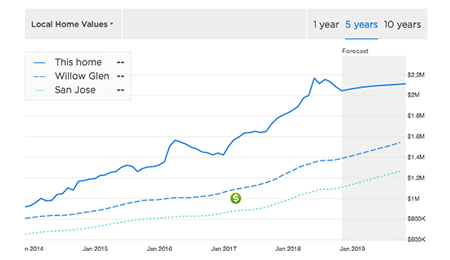
But in today’s market, especially in Silicon Valley, that move can quietly cost you. Overpriced homes often sit longer, attract fewer buyers, and end up selling for less than they could have from the start. Seeing how buyers respond to your price is what helps you sell faster and for more money.
I recently spoke with a homeowner who priced their beautiful, well-kept home above market to “test the market.” The first two weeks were quiet, showings were few, and buyers moved on. By the time the price was reduced, the listing had gone stale, and the offers that came in were lower than they would have been if it had been priced right from the start.
This happens more often than most sellers realize, and it’s completely avoidable. Here’s a closer look at how overpricing can hurt your sale and what you can do to get it right.
1. Overpricing can kill early buyer interest. The first week or two after a home goes on the market is the most important. This is when it gets the most attention from serious buyers who are actively looking.
If a home is priced too high, many of these buyers won’t stick around. They skip the listing, assuming the price isn’t realistic or worrying that something might be wrong with the property.
Once that early interest fades, it’s hard to get it back, no matter how nice the home is.
2. Buyers compare, they don’t guess. Today’s buyers are very informed. They track recent home sales, price changes, and how long homes have been listed. Many use websites like Zillow and Redfin to compare listings.
If your home is priced higher than similar homes nearby, buyers usually move on instead of stretching their budget to meet your price. Even a strong home in a great neighborhood can get overlooked. Pricing above the market doesn’t make your home look premium. Most of the time, it just makes it look overpriced.
3. Repeated price drops can turn buyers away. Some sellers think they can always lower the price later if needed. But repeated price reductions often create doubts in buyers’ minds.
When buyers see a home drop in price, they start asking questions. Why hasn’t it sold yet? Is something wrong with it? How low is the seller really willing to go?
Instead of creating excitement, price drops can invite lower offers and tougher negotiations. In many cases, the home sells for less than it would have if it had been priced right from the start.
4. Overpricing can lower your final sale price. Many sellers think that listing high will get them a better final sale price. In reality, the opposite often happens. Homes priced correctly from the start attract more interest, more competition, and stronger offers. Competition drives price, not wishful thinking. In today’s data-driven market, strategy matters more than guessing.
Always remember that pricing it right from the start is one of the most important decisions you’ll make. The right price generates early interest, brings in serious buyers, and positions your home for a stronger sale.
If you want a personalized, data-backed pricing strategy for your home, reach out to (408) 317-0506, email Brett@TheRealExperts.com, or visit therealexperts.com. I’d be happy to walk you through your options and help you get the best results.