A global oil shock, not consumer spending, is driving rates up right now, and the equity in today's market is what keeps this from becoming another 2008.
If you’ve watched the news lately, you’ve seen the headlines. The Fed hiked again, 30-year mortgage rates pushed past 7%, and a lot of people are bracing for a 2008-style crash. But if you’re planning to buy, sell, or invest this year, what the Fed is actually doing, and the hidden reason behind it, is badly misunderstood. Here’s the real story.
The Fed does not set your mortgage rate. This is the single biggest misconception in real estate. When you hear the Fed adjusted rates, they’re moving the Federal Funds Rate, the short-term rate banks charge each other to borrow overnight. Raise that, and credit cards, car loans, and HELOCs spike almost immediately. But the 30-year fixed mortgage is different. It tracks the 10-year Treasury bond yield. When the Fed tightens the money supply, bond investors sell, yields climb, and that is what indirectly pushes your mortgage rate past 7%.
The inflation we’re fighting is an oil problem, not a spending problem. Normally the Fed raises rates as an economic thermostat, cooling off an economy that’s running too hot. But today’s inflation isn’t coming from consumers spending too much. It’s a brutal global supply shock. The ongoing Iran conflict has choked up the Strait of Hormuz, one of the most critical energy transit channels on earth, and when that gets blocked, oil and diesel prices spike worldwide, with diesel hovering near $6 a gallon and the cost of shipping everything climbing with it. Here is the hard truth: no amount of interest rate hikes can reopen a shipping channel or get global oil flowing freely again. The Fed is using a blunt instrument on a problem it cannot reach.
“This is a housing crunch of supply, not a bubble of bad debt.”
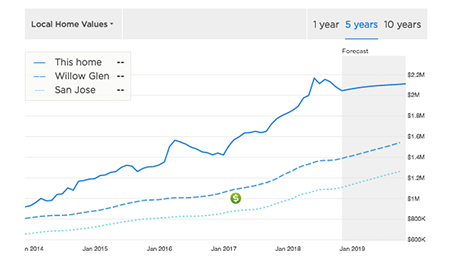
The lock-in effect is quietly holding prices up. So if the Fed keeps forcing rates higher, will housing collapse? No, and the data shows why. More than 65% of current homeowners have a mortgage rate below 5%. They have no reason to sell and trade a cheap mortgage for an expensive one at 7%, so they stay put. That keeps inventory tight, and tight inventory keeps values from falling. This is a shortage of supply, not a wave of desperate sellers.
The real difference from 2008 is wealth. In 2008, most buyers had little or no equity, so the moment they hit a financial hiccup, they were forced to sell, foreclosures flooded the market, and prices collapsed. Today is the mirror image. Over 65% of homeowners are sitting on more than a million dollars in equity, which gives them enormous staying power. Even if someone faces an unexpected job loss in this strange economy, they aren’t forced to panic-sell. They can tap an equity line, draw on their housing wealth, and comfortably carry the mortgage while they transition. This is a housing crunch built on supply, not a bubble built on bad debt.
So how should you actually play it? If you’re waiting for a flood of cheap foreclosures, you’ll be waiting a very long time. If you’re a seller, adapt to the timeline. Homes are sitting longer, averaging around 90 days, so price accurately and stay open to smart concessions like a buyer rate buy-down. And if you’re a buyer, remember the golden rule: marry the house, date the rate. If you find a home that fits your life and the payment works for your budget today, buy it. You can always refinance later when the landscape settles.
If you want a personal breakdown of how to structure a seller-paid rate buy-down to beat these 7% rates, or you just want a clear read on our local market, I’d love to help. Call or text me at 408-317-0506, email me at Brett@TheRealExperts.com, or visit https://therealexperts.com/.
Let’s talk about your move.